Film 1: Raqba - The Promised Land
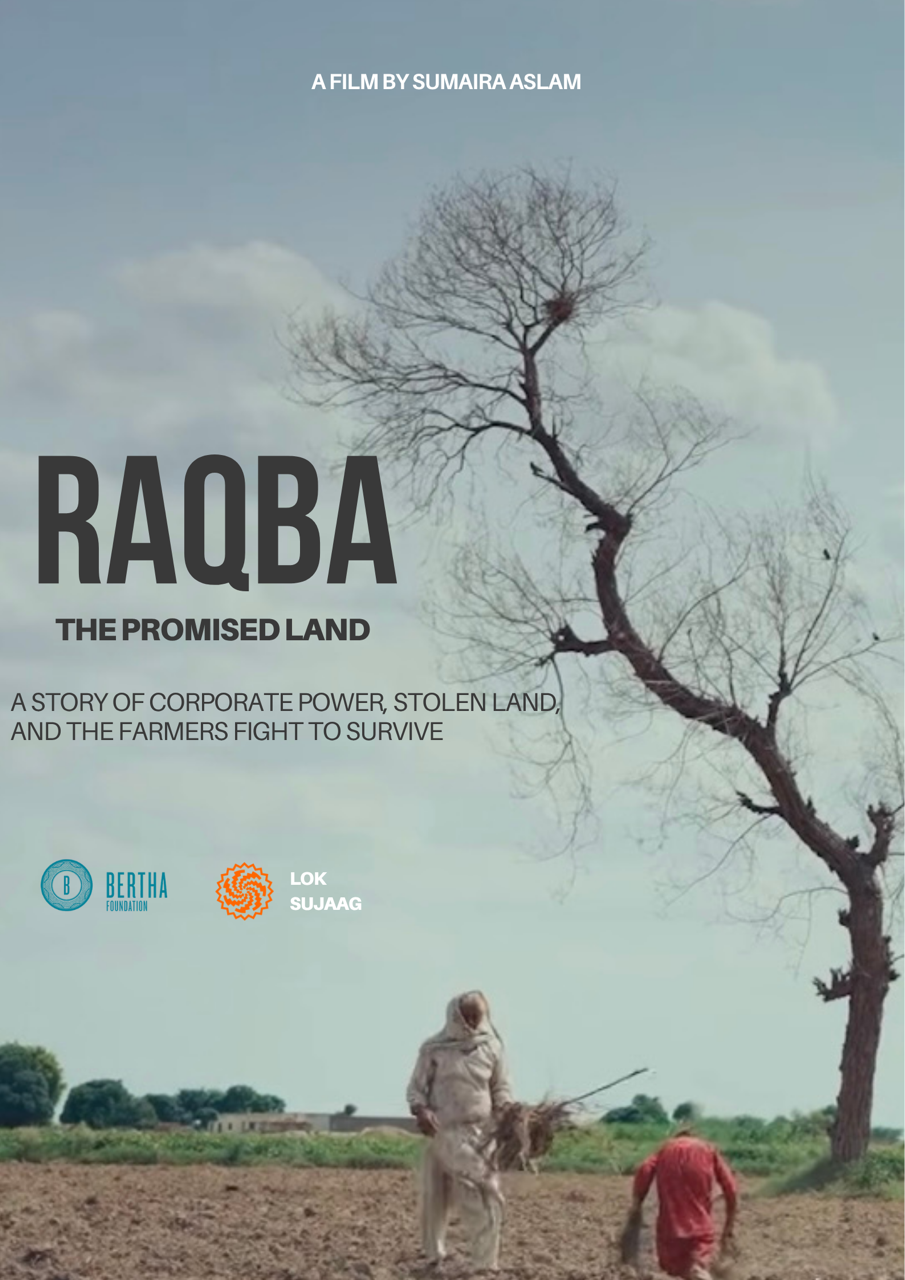
Synopsis:
Raqba – The Promised Land follows tenant farmers in Pakistan resisting eviction from state land they have cultivated for generations. They refuse to disappear from lands under arbitrary state orders to make way or corporate takeover. What unfolds is not only a struggle over land, but over identity, dignity, and the right to belong. Farmers face intimidation, arrests, violence, and mounting pressure to leave, yet they continue to resist. For them, land is more than property, it is memory, survival, and generations of labour embedded in the soil.
Through intimate, on-the-ground storytelling, Raqba captures the resilience and determination of communities standing against forces far larger than themselves. Without overt commentary, the film reveals the human cost of structural change and asks a fundamental question: who truly owns the land, the ones who hold the papers, or the ones who have spent their lives nurturing it?
At the heart of the film lies the farmers’ unwavering response to displacement:
“We will die resisting, but we will not give up.”
About the filmmaker:
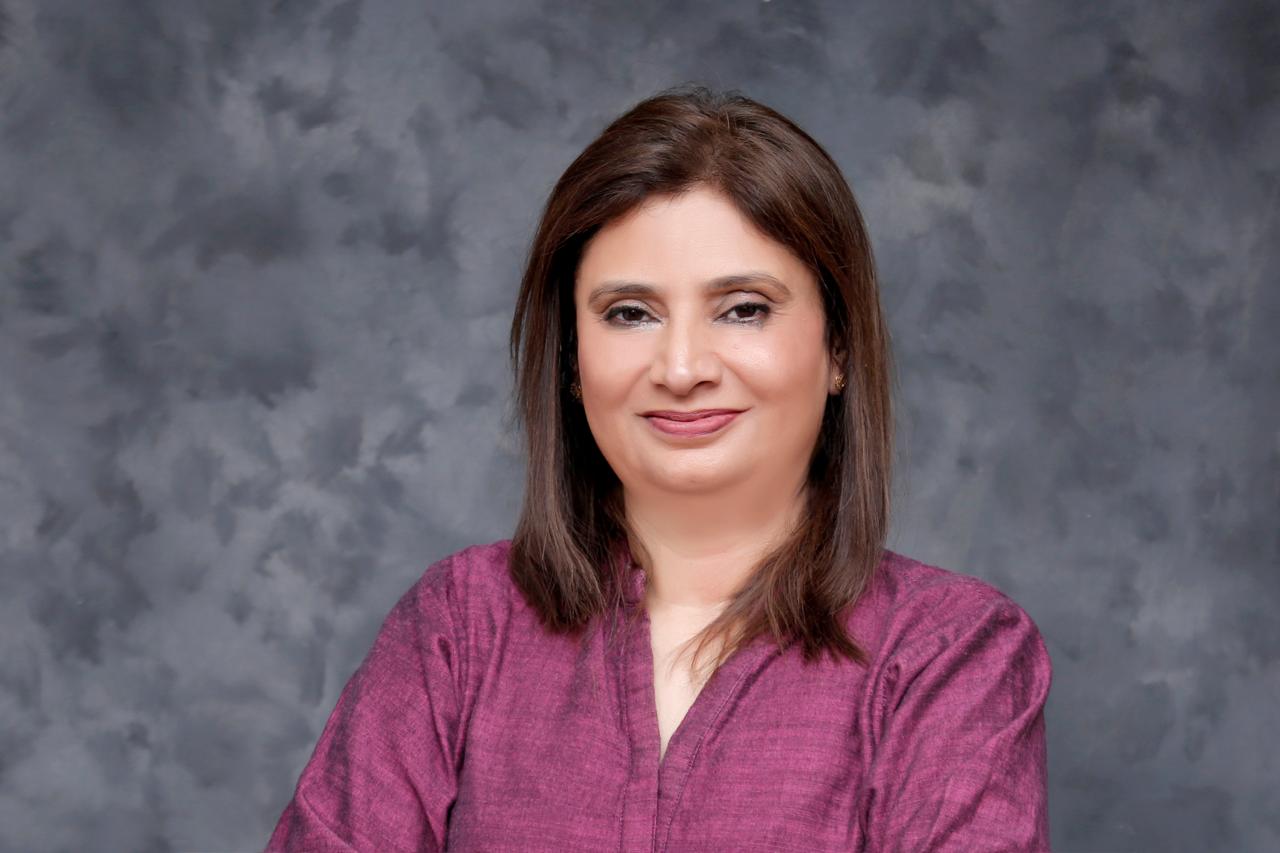
SUMAIRA ASLAM is a journalist and documentary filmmaker with extensive experience in international news and current affairs production. Over the course of her career, she has worked with leading global media organisations including BBC, Voice of America, CNBC, and Channel 9 Australia, reporting from complex and high-risk environments across Pakistan and Afghanistan.
She is a Bertha Challenge Fellow 2025, part of the global fellowship programme by the Bertha Foundation supporting investigative journalists, activists, and filmmakers working on pressing social justice issues related to farming, corporate power, and the climate crisis.
Her work focuses on long-form storytelling, conflict, land, identity, and underreported human narratives. She produced the documentary Pakistan Jihadis for the BBC World Service programme The Assignment, following the journey of Pakistani men who travelled to Afghanistan to fight for the Taliban after 2001 but never returned. The film earned a nomination for Best Factual Program at the BBC World Service Awards in 2007. She also directed Kashmir: A War in Paradise for Tele-Productions International, with filming conducted in challenging terrains including the Siachen Glacier.
Her recent work explores themes of land, displacement, corporate farming, and structural inequality in Pakistan through investigative and documentary storytelling. Her documentary Raqba (The Promised Land) examines the struggle of tenant farmers resisting eviction from lands threatened by corporate farming projects.
Sumaira holds an MA in Terrorism, Security and Society from King's College London, where she studied the political and ideological dimensions of terrorism and counter-terrorism. She also studied News and Current Affairs Production at RNTC in the Netherlands and Filmmaking at the New York Film Academy in Los Angeles.
Her work is driven by a commitment to deeply reported, visually grounded storytelling that brings marginalised voices into focus.
Film 2: Wash Out
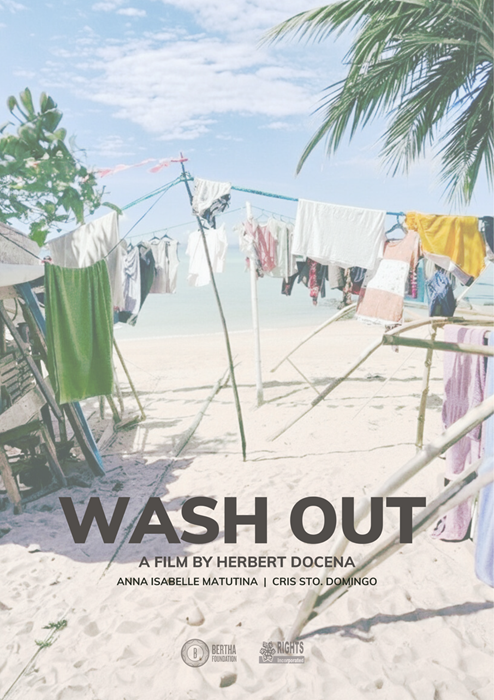
Wash Out tells the story of how a group of landless farmers in Sicogon came together and stood up against a corporate behemoth, how they came so close to victory—and how they were betrayed, and continue to be betrayed, by a government that claims to be on their side. Following three women whose lives became intertwined in the course of this long struggle, the documentary reveals the lengths that the rich and mighty would go to, in order to undermine reforms and prevent wealth redistribution from taking place. It sheds light on the role played by the state in landgrabbing. And it exposes the more sophisticated tactics corporations now use to break resistance to dispossession. But more than just a story of how the powerful always get their way, the documentary is also a story of how, against all odds, the disempowered fight back.
About the filmmakers
The documentary was produced by a film collective composed of the following:
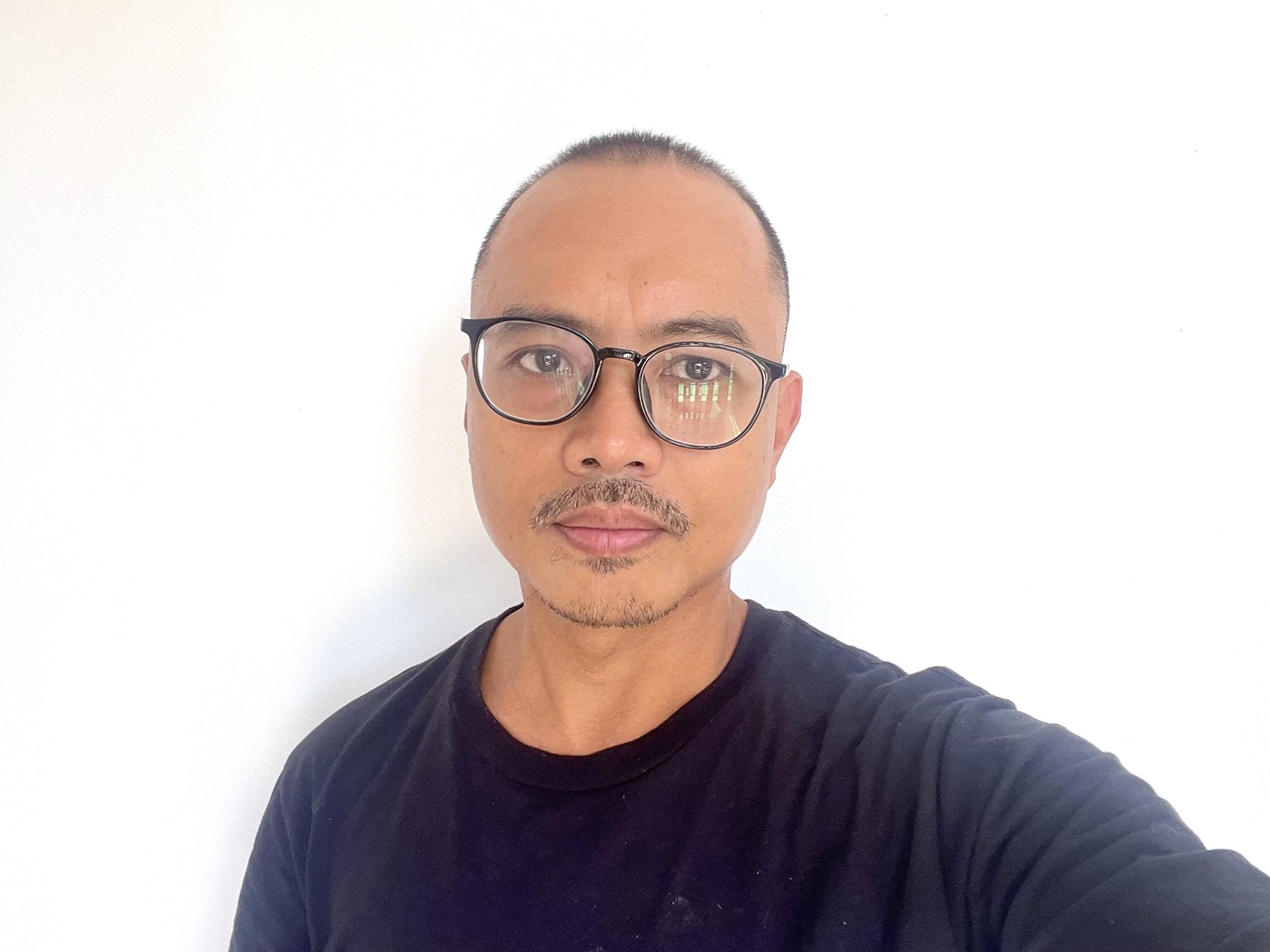
HERBERT DOCENA is an educator, researcher, and organiser. A sociologist who received his PhD from the University of California at Berkeley, he is currently a Professorial Lecturer at the University of the Philippines, Diliman and he also helps run The Workers’ School, an educational project for working people and other marginalised groups. A recipient of various grants and fellowships, his projects have tackled militarism and colonialism; gender and migration; and dispossession and development aggression.
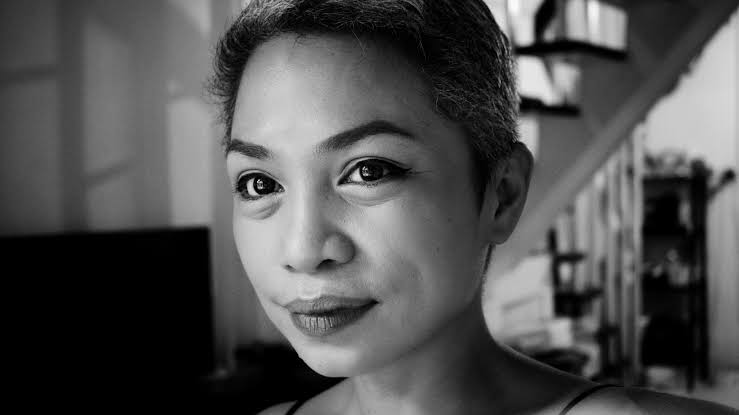
ANNA ISABELLE MATUTINA is a multi-awarded filmmaker, documentarist, and editor. Since 2004, she has been self-producing her own short films which she also writes, directs, and edits. Her films, which often tackle stories on women, have travelled around the country and abroad and have won awards. In 2022, Isabelle finished her first feature film, 12 Weeks, which also won numerous awards and became a critics' favourite in the Philippines. Isabelle currently works as a director and editor for I-Witness, the longest-running television documentary program in the Philippines, which has gotten multiple local and international awards.
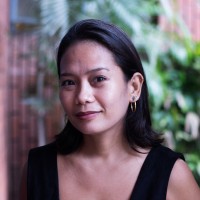
CRIS STO DOMINGO blends social science, media production, and advocacy in her work. For a decade, she worked in broadcast media, using her sociological lens to produce documentaries on youth, the environment, history and social justice in the Philippines. The stories she provided researched for and produced for television programs I-Witness and Reel Time have earned local and international awards and continue to serve as educational tools nationwide. Building on her storytelling roots, Cris shifted from broadcasting to advocacy, talking on program and communication roles centered on gender justice and civil and political rights across South and Southeast Asia.